Making Pressure Cooker Pho Beef Bone Broth

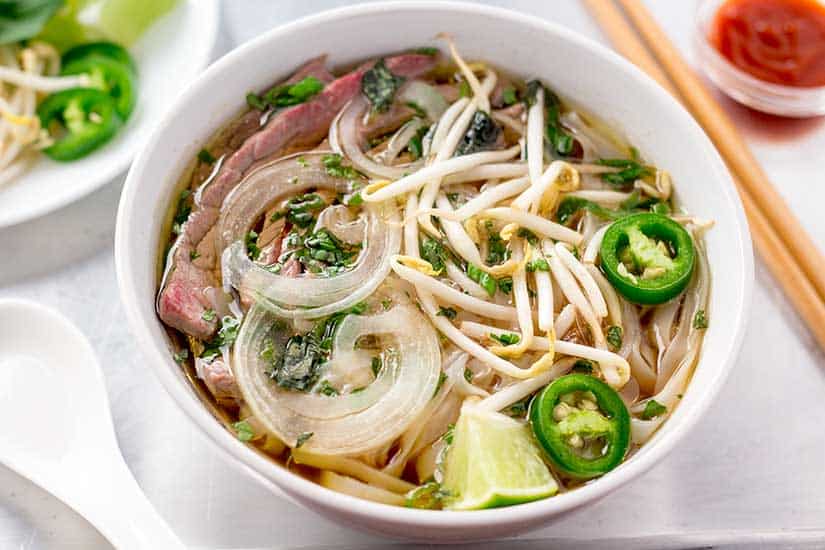
This Pressure Cooker Pho has all the flavor of an authentically prepared Pho, but in a fraction of the time. And the depth of flavor is worth every minute.
Originally posted on February 28,2018; Updated recipe and tips on November 19, 2019
I had never even heard of pho until a few years ago. But once I tasted it, I immediately had a new favorite food. I'm not kidding. A great bowl of pho is my favorite food in the whole world. So, for that reason, I was a little reluctant to post a recipe. I have a pretty high standard for pho broth. This pressure cooker pho has all the flavor of an authentic preparation, but in a fraction of the time. Even though this easy pho recipe takes more time than most Instant Pot pho recipes, the depth of flavor that is achieved is worth a few extra minutes.
Easy Pressure Cooker Pho Recipe - But it Takes a Little Time
There's no doubt that my Instant Pot is currently my favorite kitchen tool. I love the versatility and precision that comes with it. But I may be the only person that refuses to sacrifice quality for time's sake. I would much rather spend a few more minutes and end up with a meal that is amazing than cut corners and just barely enjoy my dinner.
That being said... this recipe will take a while to cook. While the prep is very easy, there's about 2-hour total cook time. It will take your IP about 20 minutes to come to pressure, then a 30-minute cook time, and finally 30 minutes of natural pressure release. So this is not an everyday type meal. But, when you're ready for something special, it's worth every minute!
Why Not Splurge a Little?
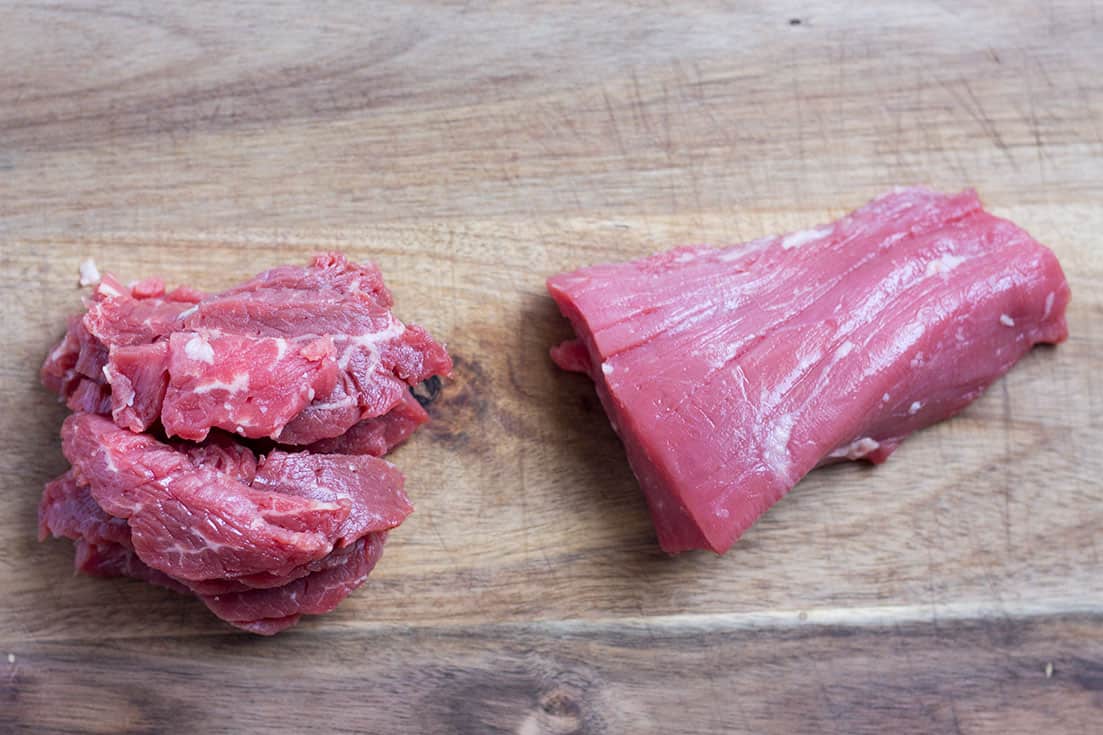
I've prepare this dish using several different choices of meat. And I must say, without a doubt, it's worth it to spend a few more dollars for filet mignon. The tenderness is just in a league of its own. If you do decide to use filet, I recommend using the thinner end cuts of the tenderloin. Nobody usually wants these for steaks, so they are always available in the grocery store.
The Process

Set oven to 450 F (no need to preheat). Spray baking sheet with nonstick cooking oil and add onions and ginger, spread out into a single layer. Place sheet in oven.

Add beef shanks to pot and cover with water (about 6 cups). Then, using the sauté setting (adjusted to "more"), bring up to a boil.

Once the water reaches a rolling boil...

remove shanks and set aside. Discard water and wash all scum from the bottom of the pot.

Bake until slightly charred.

Add beef shanks, charred onions and ginger to clean pot...

Then add all the spices...

...and top with 10 cups of water. Lock lid and cook for 30 minutes at high pressure.
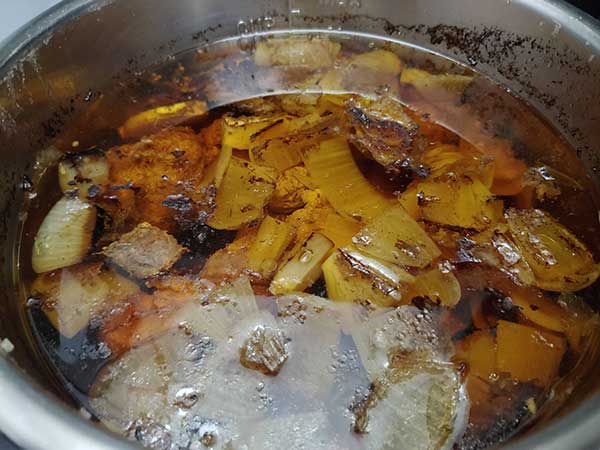
Once cook time is complete, allow pressure to release naturally for at least 30 minutes (longer is better).

Pour the broth through a fine mesh strainer. Feel free to eat the beef shank, but we won't be using it anymore for this recipe.

Prepare rice noodles according to instructions on box.

Return broth to heat and bring back up to boil. You can do this in the pot using the sauté setting or on stovetop.

Place noodles in a heated bowl.

Place equal amounts of uncooked steak into bowls. Do the same with the noodles.

Pour boiling broth over steak (this is what cooks the meat) and allow to sit for a minute or two.

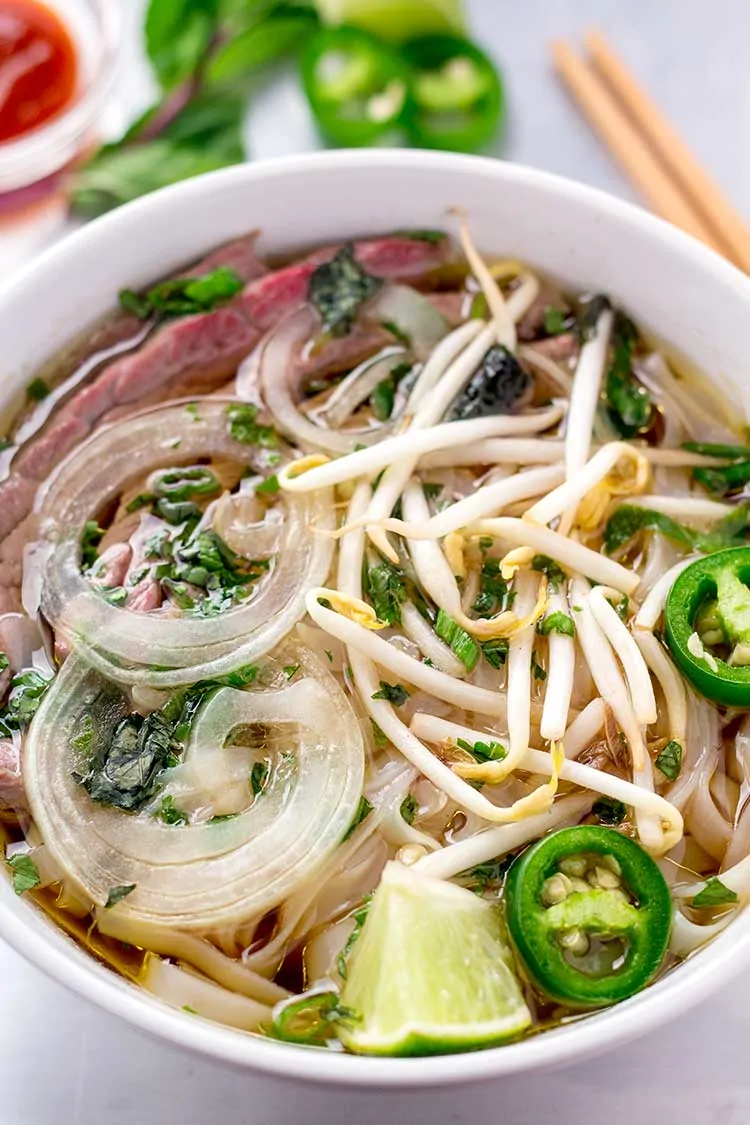
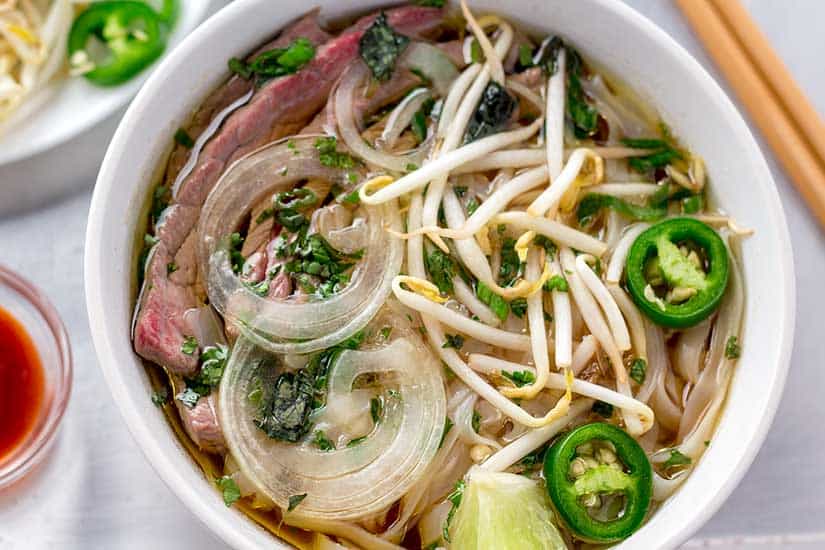
Top each bowl with any combination of sliced onions, cilantro, basil, mint, and scallions. Serve immediately!
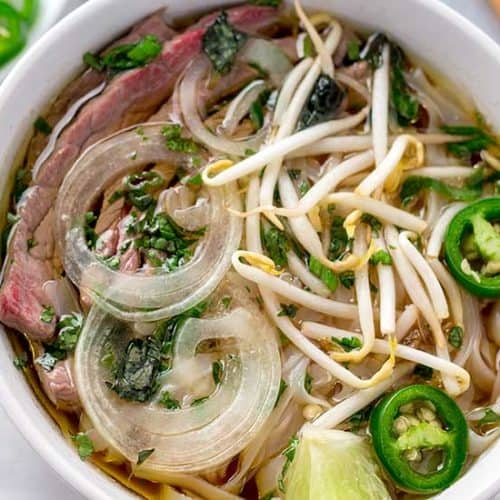
And this is the AMAZING result...
Expert Tips
- While it is technically okay to skip the first two steps (not charring the onions and ginger or parboil the beef), here are the reasons why you should not skip them.
- Charring the onions and ginger is the single best way to enhance the depth of flavor. You might think that you can't tell the difference, but you will!
- By parboiling the beef and getting rid of the scum, the finished broth with be much more clear and appetizing than if you simply cook all of that into the soup.
- If you don't want to splurge on filet mignon, top sirloin is a fine substitute; and is actually more common in restaurants.
- If you really want to slice the beef as thin as possible, you can freeze it first; then slice while frozen and defrost afterwards.
- This broth can be frozen for months, then reheated when ready to serve.
FAQs
Can I eat the beef shank? Absolutely. After boiling, you will not need the beef shank for this recipe, but it can be eaten separately. We usually serve it to our kids while we eat the soup.
Can I substitute a cheaper cut of meat for the filet? Yes, top sirloin works really well also.
★ Did you make this pressure cooker Pho? Please give it a star rating below! ★
- 3 lbs. beef shank
- 16 cups water divided
- 3 inches fresh ginger sliced
- 2 large yellow onions roughly chopped
- ¼ cup fish sauce
- 1 Tbsp. sugar
- 5 star anise
- 3 cloves
- 1 cinnamon stick
- ¼ tsp. fennel seed
- ½ tsp. coriander seed
- 1 Tbsp. sea salt
- 1 lb. filet mignon (or top sirloin) thinly sliced
- 14 oz. rice noodles
- 1 small yellow onion thinly sliced
- 1 Tbsp. cilantro finely chopped
- 2 scallions thinly sliced
-
Set oven to 450 F (no need to preheat). Spray baking sheet with nonstick cooking oil and add onions and ginger, spread out into a single layer. Place sheet in oven and bake until slightly charred.
-
Add beef shanks to pot and cover with water (about 6 cups). Then, using the sauté setting (adjusted to "more"), bring up to a boil. Once the water reaches a rolling boil, remove shanks and set aside. Discard water and wash all scum from the bottom of the pot.
-
Return the beef shanks in pot, followed by charred ginger and onions, fish sauce, sugar, star anise, cloves, cinnamon, fennel seed, coriander seed, salt, and top with 10 cups of water. Lock lid and cook for 30 minutes at high pressure.
-
Once cook time is complete, allow pressure to release naturally for at least 30 minutes (longer is better).
-
Pour the broth through a fine mesh strainer. Feel free to eat the beef shank, but we won't be using it anymore for this recipe.
-
Prepare rice noodles according to instructions on box. I prefer (and recommend) the type you don't need to pre-cook.
-
Return broth to heat and bring back up to boil. You can do this in the pot using the sauté setting or on stovetop.
-
Place noodles in a heated bowl.Place equal amounts of uncooked steak into bowls. Do the same with the noodles.
-
Pour boiling broth over steak (this is what cooks the meat) and allow to sit for a minute or two.
-
Top each bowl with any combination of sliced onions, cilantro, basil, mint, and scallions. Serve immediately!
- For garnish - use any combination of bean sprouts, limes, jalapeño, basil, mint, hoisin sauce, and Sriracha.
- If you don't want to splurge on filet mignon, top sirloin is a fine substitute; and is actually more common in restaurants.
- If you really want to slice the beef as thin as possible, you can freeze it first; then slice while frozen and defrost afterwards.
- This broth can be frozen for months, then reheated when ready to serve.
- After boiling, you will not need the beef shank for this recipe, but it can be eaten separately.
- While it is technically okay to skip the first two steps (not charring the onions and ginger or parboil the beef), here are the reasons why you should not skip them.
-
- Charring the onions and ginger is the single best way to enhance the depth of flavor. You might think that you can't tell the difference, but you will!
- By parboiling the beef and getting rid of the scum, the finished broth with be much more clear and appetizing than if you simply cook all of that into the soup.
Calories: 699 kcal | Carbohydrates: 68 g | Protein: 50 g | Fat: 23 g | Saturated Fat: 8 g | Cholesterol: 111 mg | Sodium: 1048 mg | Potassium: 1039 mg | Fiber: 2 g | Sugar: 8 g | Vitamin A: 205 IU | Vitamin C: 6.9 mg | Calcium: 108 mg | Iron: 6.7 mg
THIS POST MAY CONTAIN AFFILIATE LINKS. TO FIND OUT MORE VISIT OUR DISCLOSURE PAGE.
Reader Interactions
Source: https://thefoodieeats.com/pressure-cooker-pho/
0 Response to "Making Pressure Cooker Pho Beef Bone Broth"
Post a Comment